


Introduction
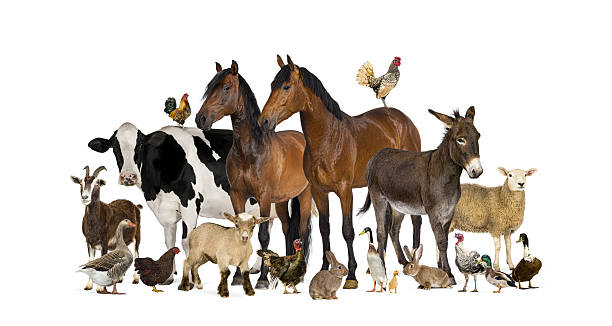
The two major sources of rural prosperity are agriculture and livestock. The government has initiated Livestock Subsidy Programs 2026 to assist the millions of families that rely on cattle, goats and sheep. The initiative aims at changing the practice of animal husbandry into a commercial and profitable enterprise for small farmers. The government is trying to boost milk and meat production in the country and reduce the poverty of the farmers by supplying good breeds, subsidizing the farmers’ feed, and giving free treatment to their animals.
This program is an important initiative for the realization of “Green Pakistan” and the empowerment of women in the rural areas who are traditionally engaged in livestock management and are responsible for food security.
Core Objectives of the 2026 Livestock Initiative
The overall objective of the Livestock Subsidy Program is to enhance the genetic potential of local livestock by scientific manipulation. In Pakistan, most of the small farmers possess low yielding animals in terms of milk and meat production which are not as per the international standards. In 2026, this is addressed by making superior breeds and the use of artificial insemination more available and at a reduced cost.
This will help to create a healthier, faster growing and more productive next generation of livestock. Furthermore, the programme is designed to establish a “Dairy Value Chain” that will allow small farmers to sell their excess milk production directly to large processing units thus avoiding the exploitation of middlemen and provide them with a fair price for their efforts.
The components of the subsidy package
The 2026 livestock package is multifaceted, besides providing financial support. It offers a complete package of support and care for the animal from birth to market. Animal Distribution: Subsidized or interest free loans to buy high yield cows, buffaloes (Nili-Ravi) and goats (Beetal). To address the increasing expense of animal feeds, the government offers 50% subsidy on high protein animal feeds and silage to guarantee adequate feed supply during winter months.
Modern Shed Construction: Support for the construction of ventilated and hygienic animal sheds to prevent the spread of diseases and enhance animal comfort. Vaccination & Deworming: A nationwide programme of vaccinations to save the lives of Foot and Mouth Disease (FMD) and Hemorrhagic Septicemia (HS) affected animals for free. Mobile Veterinary Clinics: 24-hour mobile clinics for emergency medical treatment for farmers at their doorstep through a dedicated helpline.
Eligibility for Small Farmers
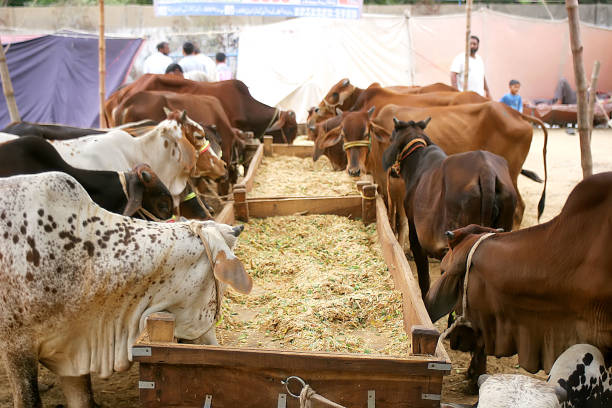
In 2026, a tight eligibility criteria is put in place to guarantee the benefits are obtained by the most vulnerable and deserving home. The government uses the Kissan Card to check the status of applicants and the National Socio-Economic Registry (NSER) is used to do the same.
Landless & Smallholders: Focus is on landless farmers and those having less than 5 acres of agriculture land. Women Empowerment Quota: A special quota of 30% for women applicants, to promote women’s participation in the formal rural economic system. Basic Knowledge of Livestock Management: Applicants must already have an animal to prove their basic knowledge of livestock management. Geographic Focus: Special attention is given to the socio-economically backward areas of South Punjab, Interior Sindh and Balochistan.
Training Completion: Successful candidates may be required to attend a brief 3 day training session in the Livestock Department on “Modern Livestock Management”.
Registration and Verification Process
The entire registration procedure for 2026 is digital, and that means that there are fewer trips to government offices. Farmers can register via “Livestock Punjab” or “Sindh Livestock” mobile apps or at any local Veterinary Hospital. For applying you need to give your mobile number which is in your name and your CNIC number. On completion of the initial application, a Livestock Assistant will visit your site to check the condition of livestock and space available for adding additional stock.
This physical audit is followed by a computerized balloting process in which the data is uploaded to the central server. The subsidy amount is directly credited to the farmer’s Kissan Card or a linked bank account which is only used for the purchase of livestock from registered vendors.

Modern Technology Tagging and IoT Monitoring
Smart Livestock Management is incorporated in the 2026 programme using compulsory electronic tagging. All animals under subsidy are given an individual RFID (Radio Frequency Identification) tag. This enables the government to monitor the health of the animals, their vaccination and their location. At very late stages, farmers receive “Health Monitoring Collars” for high yielding dairy cows. These smart gadgets communicate with a mobile application that informs the farmer when the animal is in heat, if it is in trouble, or if it is experiencing nutritional deficiencies, before those issues arise.
This use of technology enables small farmers to take advantage of the “Precision Livestock Farming” that was previously only possible on large industrial farms. The data is used to manage their herds, which helps to reduce the mortality rate and boost milk production per day.
Financial Support: Interest-Free Loans and Insurance
Recognizing that the first livestock purchase is a significant challenge, the government has developed a collaboration with commercial banks and microfinance banks to provide Interest Free Livestock Loans. In the future (2026), farmers will receive loans to increase their stock with the interest (markup) paid by the government. Moreover, livestock insurance (Takaful) is part of the 2026 subsidy as well.
In the unfortunate event of an animal’s death due to disease or natural disaster, the insurance policy covers up to 100% of the animal’s market value. This buffer ensures that small farmers do not fall back into poverty when suffering the loss of one animal. Insurance costs are highly subsidized and have been made affordable for the poorest family to safeguard their valuable assets.
Official Deadlines and Contact Information.
LSP 2026 runs in quarter cycles. The first phase of 2026 is currently ongoing and applications will close on 15th June 2026. Farmers are urged to ensure that their Kissan Cards are updated and their cell phone numbers are kept current for immediate notification of balloting dates and vaccinations. Farmers may also call National Livestock Helpline 0800-09211 for technical advice or reporting any sick animal.
In case of any complaints on corrupt practices, bribery or the animal quality supplied should be reported immediately to the “Livestock Complaint Cell”. Keep in mind, it is the government’s policy to make you prosper, not pay an agent or middle man for a “guaranteed” choice as the process is handled by a clear and open computer system.
Conclusion
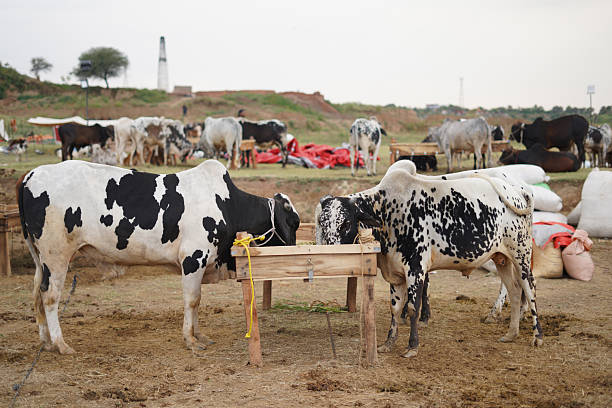
LSP 2026 is a key component of Pakistan’s rural development. The government is mixing financial aid with modern technology and veterinary help, and is enabling small farmers to be successful entrepreneurs. This scheme is not just about providing animals, it’s about offering a secure and prosperous future for the next generation. If you’re a small farmer wanting to expand your livestock operation, this is your big chance to take advantage of cutting off the edge resources and superior yields. We can create a viable, healthy and prosperous Pakistan by developing a vibrant livestock sector together.