


Introduction
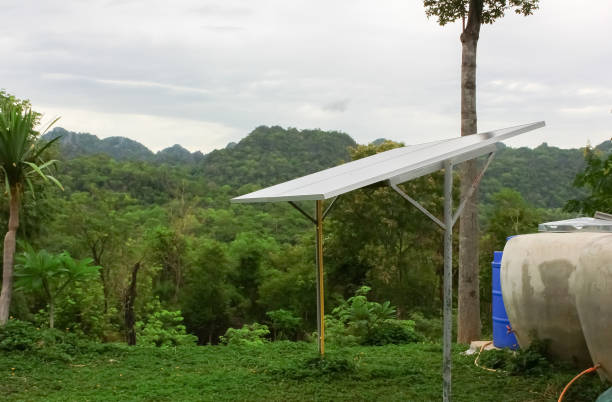
Due to the skyrocketing price of electricity and cost of costly diesel in the current times, the Solar Tube Well Subsidy Scheme has become the lifeline of Pakistan’s agriculture sector. The most important and expensive component in agriculture is irrigation and by changing to solar energy, farmers are able to water their crops for free with just the sun. The government has offered a high subsidy mechanism to make the transition from traditional tube wells to solar powered water systems easier for small-scale farmers. This scheme aims to lower the cost of production for farmers and therefore will make Pakistani crops competitive in the market.
A significant change in Pakistan’s agriculture is underway, with farmers reducing their reliance on expensive diesel and electric power. The “Solarization of Tube Wells 2026” scheme is a revolutionary scheme which doubles a farmer’s monthly savings Subsidy. The government’s move to provide water to the crops on time without any financial burden by replacing the old and costly irrigation systems with solar-powered systems, is a step in the right direction.
A Solar Tube Well Subsidy Model was developed to understand the model
In the subsidy model, the government pays the farmer a subsidy based on a cost-sharing agreement. In most provinces, the government subsidizes 60% or 80% of the price. This means that the government contributes the bulk of the total cost (up to 80%) and the farmer only pays a small percentage (down payment). This is why solar technology can be adopted by people who are paying high prices for the costly diesel engine or fluctuating electricity from the grid.
The 2026 framework is much more flexible than years gone by, and adds the concept of “Smart Subsidies. The government now offers life cycle support instead of just equipment. Here, the state will cover the bulk of the price directly from verified vendors and the farmer will have to pay only a 20% down payment.
There is a system in place which provides “Digital Escrow Accounts” to guarantee transparency, and high quality material standards. The scheme is responsible for the installation of high efficiency solar panels, solar inverter (VFD), mounting structure and submersible pump (if needed). The aim is to offer a “plug and play” package which will not require the farmer to be concerned about technical compatibility. A farmer will save many hundreds of thousands of rupees in electricity bills or fuel costs each year by converting to solar Subsidy.
Applicants must meet the following criteria
Some criteria have been established to make sure that the subsidy is directed toward farmers and that it would have a maximum possible environmental impact. The government focuses on areas where the groundwater level is appropriate for solar pumping and where farmers are involved in farming.
Land Ownership: Generally, the farmers who possess land between 2 and 25 acres are eligible.
Water Source: Applicants should have the bore or water source in place and work to install the solar system.
Specific for “Off-Grid” areas, where electricity lines do not exist, in some phases of the scheme, but others phases are for converting existing electric tube wells.
Clearance: The farmer should not have any case pending in the Irrigation/Agriculture department and have a clean credit history.
Kissan Card: Like the tractor scheme, having a working Kissan Card is usually a condition for verifying identity and land.
The documents required and steps in the registration process.
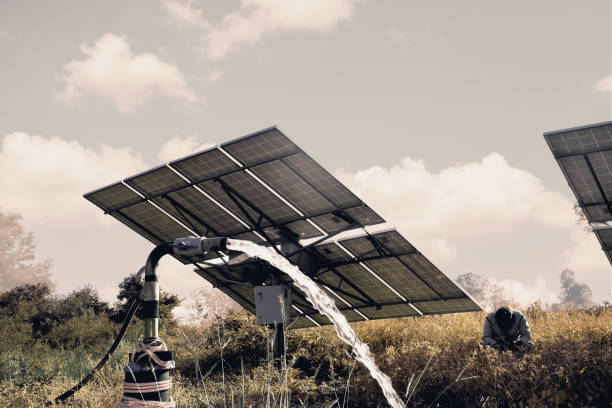
Registration for the Solar Tube Well Subsidy 2026 is done by the provincial Agriculture Department (Water Management Wing). Farmers are to apply on the official website or in the office of the District Officer (Agriculture). The main ingredient for approval without delay is proper documentation. To make sure that the groundwater is suitable for irrigation, you need to submit a copy of your CNIC, a Fard-e-Malkiyat (land ownership document) and a “Water Quality Report” (sometimes). This year’s solar systems include the “Tier-1 Mono-Perc” technology that allows them to generate high voltage even in low-light conditions. Nearly 30% more energy is generated with these systems using “Bifacial Panels,” which harness light on both sides.
The new Inverters (VFDs) are now “IoT Enabled” and farmers can check water flow and amp production by an app from their smart phone. In addition, “Dry Run Protection” sensors are built in that turn the motor off in case water is too low. The advanced safety features eliminate motor burnout and significantly increase the life of the system to a maximum of 15 years, which is a significant improvement from previous generations.
Save money and benefit in the long-term
The first and most obvious advantage of the Solar Tube Well Subsidy is the “Zero-Bill”. With the system in place, the only expense is nearly zero when it comes to pumping water Subsidy . Irrigation costs are almost 30% to 40% of the farming costs for an average Pakistani farmer. This removes the need for the farmer to take a risk on the quality of the seeds and fertilizers they use, and boosts their profits as a result. No load shedding problems: Solar systems are not connected to the national grid and no need to wait for the electricity to come back at night to water the fields.
Environmental Impact: It is a clean energy source which helps to reduce carbon footprint and fight climate change. Market Value and Rental: A land that is ready with a solar tube well has a higher value and rental possibility Subsidy . Durability: Solar panels these days are engineered to withstand severe climatic situations, including the extreme warmth of the Pakistani summertime.
The following tips will help with maintenance and performance.
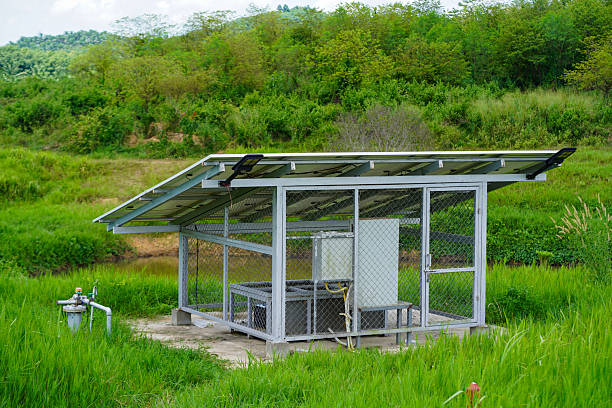
Solar tube wells require very little maintenance, but they are by no means “no-maintenance. A few simple steps are needed to get the maximum water output, farmers need to follow these steps. The most important is the cleaning of the solar panels. A thin layer of dust can cut off up to 20% energy production in the dusty rural areas. Water flow can be greatly enhanced if the panels are cleaned with plain water each morning.
Farmers should also make sure there are no tall trees or buildings casting shadow on the panels at the peak of the sunlight hours (10 AM – 4 PM). The first phase of the 2026 registration starts on May 15 and ends on June 30. Computerised balloting will be conducted during the first week of July and the installation will start in August for the Rabi season Subsidy . To cater to the new technology, the government has established “Solar Help Desks” in all the districts, which are manned by technical experts to help farmers with the new technology. In case of complaints or problems with the technology
Official deadlines and helpline
It is open by the Government generally twice in a year, once prior to the Kharif sowing season and before the Rabi sowing season. The registration should be open until the end of the first quarter for the current cycle (2026). Farmers are encouraged to regularly visit the official website of the Minister of Agriculture “Agri Punjab” or relevant provincial websites for exact dates of closure. Agriculture Department’s complaint cell 0800-15000 should be immediately contacted in case any difficulty is faced while applying for the same as well as if anyone demands any bribe. Keep in mind that all selection is on a Computer Based Balloting basis and no official or agent can “guarantee” your selection for a fee.
While owning a solar system is one thing, maintaining it to ensure it produces the maximum output is another. The 2026 guidelines suggest the use of “Panel Cooling Systems” – This is because during the hottest summer days, there is a low potential for efficiency loss. Cleaning with “De-ionized Water” and soft brushes result in no scratching which can permanently affect the panels. The other very important advice is “Seasonal Alignment”, which is the method of tilting the panels twice a year to follow the sun’s trajectory.
Conclusion
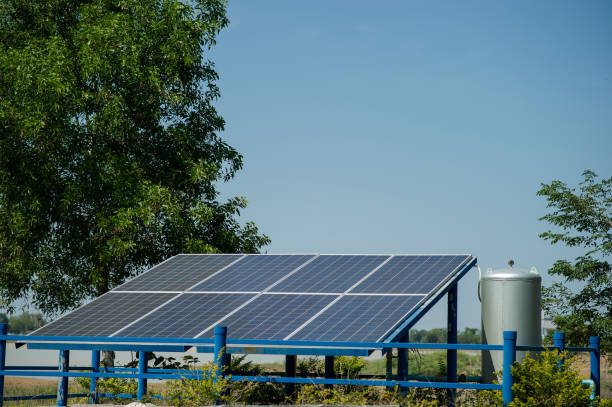
The Solar Tube Well Subsidy Scheme is a revolutionary program which makes sun power available in the fields of Pakistan. It tackles the most troubling issue for the farmer: high energy costs, and puts an alternative sustainable energy source in its place. Solar Tube Well Subsidy 2026 is a golden opportunity to modernize agriculture in Pakistan. It’s more than a machine; it’s a way to success that helps farmers avoid the pressure of ever-rising fuel prices and electricity tariffs.
With this “Clean and Green” energy revolution, farmers will not only be able to boost the value of their land, but also their production at the same time. The government’s 80% subsidy is a sign of its seriousness related to rural development. It is a high-tech solution, which every eligible farmer must avail, to create a better future for the next generation. Solar technology is the solution and a prosperous farmer is a prosperous Pakistan.